Reviewing the Just a Mom Who Raised a Picu Nurse Design
As an embroidery designer who has spent countless hours digitizing and stitching out text-based graphics, I approach every new machine embroidery design with a critical eye. It is not just about whether the file opens correctly; it is about how the design translates from a digital concept into thread on fabric. Recently, I evaluated the Just a Mom Who Raised a Picu Nurse graphic to determine its viability for real-world projects. This piece falls squarely into the category of T-Shirt Designs and general Graphics, but its application extends far beyond simple apparel.
First Impressions and Visual Personality
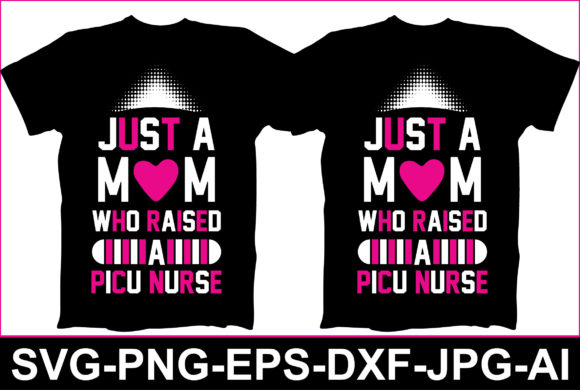
The immediate mood of this design is one of quiet pride and professional respect. The phrase itself carries weight, acknowledging the specific, high-stress environment of the Pediatric Intensive Care Unit. Visually, the layout appears clean and legible, which is crucial for any text-heavy embroidery project. When I first loaded the SVG file into my design software, I looked for balance. A design like this relies entirely on typography and spacing. If the kerning is too tight, the stitches will merge; if it is too loose, the message loses impact.
This particular design feels suited for sentimental yet bold statements. It does not rely on complex imagery or intricate applique design elements, which makes it versatile. The visual personality is straightforward, allowing the sentiment to take center stage. For a crafter or Etsy seller, this means the design is accessible. It does not require advanced hoop manipulation or rare thread colors to look professional. It is a solid foundation for a personalized gift that resonates deeply with nursing families.
Real-World Application: The Custom Sweatshirt Test
To truly understand the value of an embroidery file, you must imagine it on a physical product. I envisioned using this design for a custom order: a high-quality, heavyweight cotton sweatshirt for a mother whose daughter had just graduated from nursing school and secured a position in the PICU. This is a classic holiday embroidery or graduation gift scenario.
In this context, the design performs well because it is not overly dense. Heavy fill stitch areas can make garments stiff and uncomfortable, especially on the chest or back of a sweatshirt. Since this is primarily a text-based graphic, it likely utilizes a combination of satin stitch for smaller elements or outlines and standard fill or running stitches for larger letters, depending on the digitizer’s choices. The result is a soft hand feel, which increases the perceived value of the handmade product. Customers are more likely to wear and wash an item that does not feel like a cardboard patch has been glued to their chest.
Versatility Across Product Lines
Beyond sweatshirts, this design has strong potential for other custom apparel and home goods. Consider a canvas tote bag design. The sturdy nature of canvas handles text embroidery beautifully, providing a stable surface that minimizes puckering. It would also work effectively as an embroidered patch if applied to a denim jacket or a nurse’s scrub cap. For baby embroidery projects, such as a onesie or a nursery wall hanging, the scale might need adjustment, but the sentiment remains powerful. It serves as a bridge between generations, honoring the mother’s role in shaping a healthcare hero.
For small shop product lines, this graphic offers consistency. It fits neatly into a collection of medical-themed gifts. Whether you are creating printable mockup images for your online store or stitching actual inventory for a craft fair, the clarity of the message ensures instant recognition. Buyers do not have to squint to understand the product; the emotional connection is immediate.
Technical Considerations for Stitching Success
While the design is aesthetically pleasing, practical execution requires attention to detail. One major concern with text-based design assets is readability on textured surfaces. If you are stitching this onto a thick towel or a fuzzy fleece, you must ensure the stitch density is appropriate. Too few stitches, and the fabric texture will show through the letters, making them hard to read. Too many, and you risk perforating delicate fabrics.
I recommend testing the design on scrap fabric that matches your final product. Pay close attention to the small details, such as the dots over the "i" or the curves in the "S" and "C." These areas are prone to bird-nesting if the machine tension is not calibrated correctly. Using a proper stabilizer is non-negotiable here. For stretchy fabrics like jersey knits used in t-shirts, a cut-away stabilizer provides the necessary support to prevent distortion after washing. For woven fabrics like aprons or pillow covers, a tear-away might suffice, but always test first.
Navigating Fabric and Hoop Constraints
When working with dark fabrics, thread color contrast becomes critical. A light thread on a dark navy scrub top will pop, but you must ensure the underlying fabric does not peek through the stitches. This is where the quality of the digitizing matters. If the design includes underlay stitches, they will help cover the fabric base. Always check your thread colors against the fabric swatch before committing to the final piece.
Additionally, consider the hoop size. While the text may fit in a standard 4x4 inch hoop, ensure there is enough margin around the edges. Cramping a design near the hoop edge can lead to uneven stitching. If you are creating a larger statement piece, such as a blanket or a large tote, you may need to resize the graphic. However, be cautious when scaling up text-based designs, as this can expose imperfections in the digitizing that were not visible at a smaller scale.
Commercial Viability and Brand Trust
For commercial embroidery professionals and creative entrepreneurs, the reliability of a design directly impacts brand reputation. Using a well-digitized file like Just a Mom Who Raised a Picu Nurse builds customer trust. When a buyer receives a crisp, clean, and durable embroidered item, they associate that quality with your brand. This leads to repeat business and positive reviews, which are vital for any craft business.
It is important to note the file formats provided. The package includes an SVG file for cutting machines and design software like Adobe Suite or Inkscape, and a DXF file for Silhouette users. This versatility is excellent for hybrid creators who might use the SVG for heat transfer vinyl (HTV) applications alongside embroidery. However, for pure machine embroidery, ensure you have the correct embroidery-specific formats (such as PES, DST, or JEF) if they are included or available separately, as SVG and DXF are primarily vector graphics formats. Always confirm licensing terms before selling finished items. Most designers allow commercial use of finished physical products, but restrictions may apply to reselling the digital file itself.
Final Verdict for Makers
The Just a Mom Who Raised a Picu Nurse design is a strong contender for any maker’s library. It balances emotional resonance with technical simplicity. It is not a flashy, complex applique design that requires hours of trimming and positioning. Instead, it is a reliable, dignified graphic that speaks volumes. Whether you are an Etsy seller looking to expand your medical niche or a hobbyist making a gift for a friend, this design delivers. Just remember to respect the technical requirements: stabilize well, choose contrasting threads, and test on scraps. With these steps, your finished product will be something both the giver and receiver can cherish for years.